Determining Which Type of Dental Implant Is Right for You
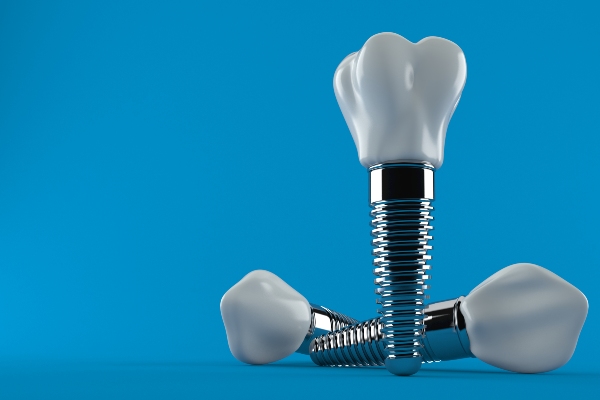 Many types of dental implants are available. There are also many ways to attach them to your jawbone and gums. Working with your dentist can determine the right implants. Here are the different types of dental implants that are right for your dental needs.
The types of dental implants
These restorations have titanium rods that the dentist inserts into the jawbone. The rods will stay underneath the gumline and fuse with the jawbone. It will take about nine months for the healing and fusion to complete. Here are the known types of dental implants that the dentist may recommend:
- Subperiosteal dental implants are on top of the jawbone. The dentist will recommend these restorations if the jawbone is weak.
- Place-form implants are for patients with jaws that are not wide or strong enough to support dental implants.
- A ramus-frame implant is for individuals who have a narrow or weak jawbone. It is the least discreet and least invasive of all implants.
- Root-form dental implants need a direct insertion into the bone. It is a popular, well-known, durable type of dental implant. This is the right choice for people with strong jawbones.
Types of systems for dental implants
The dentist will assess the patient’s mouth before recommending any dental restoration. If the patient qualifies for dental implants, the dentist will determine the right type. The patient will receive implants that can ensure a healthy smile. Here are the different dental implant systems that the dentist might recommend:
- Implant-supported dentures are systems in which dental implants provide the highest level of stability. These restorations are much better than using denture creams or adhesives. An individual can have an entire dental arch replacement with implant-supported dentures. The dentist will need to attach at least two titanium rods per dental arch. More titanium rods mean more support and stability.
- Implant-supported bridges are better than having a dental bridge supported by dental crowns on abutment teeth. The neighboring teeth are left intact because the bridge does not need to attach to them for support. Chewing, biting, and smiling are possible without worries of having artificial teeth slipping out. This system is suitable for replacing many teeth at the same time.
- Single tooth dental implants are for patients who have one or two teeth missing in different parts of the dental arch. The implant surgery can happen in an hour if the patient does not need other dental procedures to prepare the jawbone. After about three to nine months, the fusion of the titanium rods to the jawbone and gum tissue will be complete. The patient will need to return to the clinic for the abutment attachment. Two weeks later, the dentist will attach the custom-fit dental crown to the abutment. The crown’s color will be like the color of the neighboring natural teeth.
Replacing missing teeth with dental implants can enhance your quality of life
Tooth loss is a major dental crisis that needs immediate attention. Replacing the missing tooth or teeth can prevent many complications. Your dentist can help you decide which dental implants can help you the most. Working with your dentist can make your restorations last for a long time.
Request an appointment or call Rivers Family Dentistry at 979-710-2216 for an appointment in our Bryan office.
Related Posts
Dental implants can restore missing teeth with a stable, natural-looking solution and are often the recommended choice when early warning signs appear in the mouth. Many people assume tooth replacement can wait, especially when only one tooth is missing or when discomfort seems mild. However, delays can allow shifting, bone loss, and bite changes that…
Dental implants are an effective and modern way to go about replacing missing teeth. If you are missing a tooth, you are not alone in your predicament; most people lose one or more of their permanent teeth over the course of their lives. People lose teeth due to trauma to the face, aging, or oral…
A single missing tooth can present many problems that a dental implant can avoid. A single-tooth implant is designed to replace the root of your tooth. It will work and look like your natural teeth and help prevent complications associated with missing teeth. If you are considering getting an implant, it is important that you…