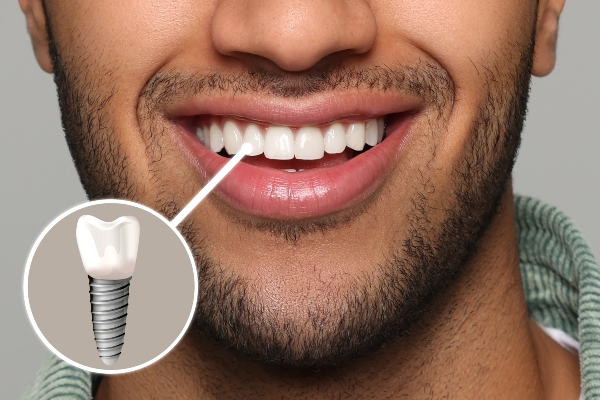
 If you are missing one or more teeth, visiting an implant dentist is a good first step toward restoring your smile. Dental implants are an exciting, new, and versatile way to replace teeth and get people back to smiling confidently and enjoying the foods they love. However, dental implants may not be for everyone. Therefore, those who want to experience the benefits of this tooth replacement method should consult with a qualified implant dentist about their options.
What are dental implants?
Dental implants are small titanium screw-like posts that a dentist surgically implants in the jaw bone. Once placed, they must integrate into the jaw bone during a process called osseointegration, which takes about three months. Next, the dentist tops them with an abutment. This component allows for the attachment of the replacement tooth or, in the case of multiple tooth replacement, the bridge or denture.
Benefits of dental implants
What patients find attractive about dental implants is their similarity to natural teeth. They stay in place and do not need removal for cleaning like traditional dentures. There is also no worry of them slipping out of place.
In addition, there is no lengthy adjustment period like with dentures. Instead, patients can just chew, talk, and care for their implants, similar to how they did with natural teeth. Also, because the titanium post replaces the tooth root, the jawbone continues to receive stimulation, preventing bone loss.
Who is a good candidate?
Dental implants can replace one or several teeth. They are even an option for those needing to replace all their teeth. However, as with most procedures, a patient must meet certain eligibility requirements. Here are the factors an implant dentist considers when deciding if a patient is a good candidate for the procedure.
Good oral and overall health
Patients who get dental implants must have good oral health and be healthy enough for surgery. Dental implant recipients must be gum disease-free and resolve any dental health issues before beginning the process. Those undergoing radiation therapy or with certain medical conditions may not be good candidates for dental implants. For example, someone with diabetes, especially diabetes that is not well managed, may need to consider another tooth replacement option. In addition, certain medications, such as blood thinners, may affect a patient's candidacy for the procedure.
Non-smoker
Smoking is notorious for interfering with the body's ability to heal. When it comes to dental implants, not only is healing affected, but the process of osseointegration (where the implant integrates with the jawbone) is also impacted. In addition, smokers are at higher risk for infection and implant failure than other patients.
Adequate bone density
Having enough jawbone to support the dental implant post is a leading requirement. However, there are options for candidates that are weak in this area. Dental bone grafting procedures can help candidates strengthen their jawbone, improving their candidacy for the procedure.
Ready for a long process
How long it takes to complete the process of getting dental implants varies from person to person. However, it is a lengthy process for almost anyone, and patients must be committed to seeing it through. The process can take anywhere from 3 to 9 months, and multiple procedures are involved. If the patient needs bone grafting, the process will take longer.
Are you an ideal candidate?
The only way to know for sure is to book a consultation with an implant dentist. Our team helps patients in Bryan, and the surrounding area restore their smiles with dental implants. To learn more about the requirements for the procedure, call our team today.
Request an appointment or call Rivers Family Dentistry at 979-710-2216 for an appointment in our Bryan office.
Related Posts
Peri-implantitis is a painful condition that affects the dental implant site. If left untreated, the consequences are irreversible, so it is important to maintain a checkup schedule with an implant dentist. However, an implant dentist can save your implants, gum tissue, and jawbone without much hassle if caught in its early stages. This article will…
Our implant dentist is here to help if you are considering getting dental implants. These are metal rods/screws that are placed into the jaw to replace missing teeth roots. Implants serve as bases for dental restorations that replace missing teeth like crowns, dentures, and bridges.Implants are often compared to real teeth since they do not…
If you are considering dental implants to replace missing teeth, you might want to talk with an implant dentist first about what getting implants entails, including aftercare for your implants. The dentist will be able to share with you how the procedure will work, what recovery looks like, and what you should be doing to…