7 Common Myths About Root Canals, Debunked by Dentists
A root canal can save a painful or infected tooth and help patients return to normal eating and comfort. If you have been told that you need this procedure, you may feel a wave of anxiety based on stories you have heard from friends or read online. Thankfully, modern dentistry uses advanced imaging and pain management to make the process far more comfortable than its reputation suggests. Learning the truth about common root canal myths can help you make an informed decision about dental care.
A closer look at root canals
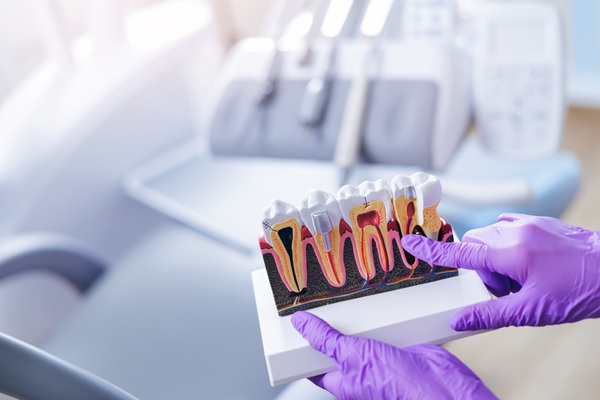
A root canal addresses infection or inflammation in the tooth pulp, the soft tissue inside the tooth that contains nerves and blood vessels. When deep decay, a crack, or trauma allows bacteria to reach this inner chamber, the resulting pressure triggers pain and swelling. A general dentist can remove the infected tissue, seal the internal canals, and save the tooth.
Unfortunately, root canals have a bad reputation that was largely built decades ago when dental technology and pain management were less predictable. A dentist strives to help patients feel more comfortable and confident about this tooth-saving procedure. That often starts with debunking the following myths:
Myth 1: The procedure is inherently painful
The most frequent misconception is that the root canal itself causes pain. However, a general dentist completely numbs the area before any work begins. Most patients describe the sensation as being no different than receiving a standard filling. The intense discomfort many people associate with this procedure is actually caused by the underlying infection, and the treatment is the primary method used to provide relief from that pain.
Myth 2: The entire root of the tooth is removed
The name of the procedure sometimes leads patients to believe that the physical root of the tooth is being pulled out of the jaw. On the contrary, the dentist only cleans the narrow canals located inside the root. The outer root structure remains firmly anchored in the jawbone. By removing only the infected pulp and sealing the space, the tooth can remain in the dental arch as a functional tool.
Myth 3: Pulling the tooth is a better option
Dentists will always try to save as much of the natural tooth as possible because it is better for oral health. When a tooth is pulled, it creates a gap that can cause the neighboring teeth to tilt and shift, which eventually disrupts the balance of the bite and leads to jaw pain. While missing teeth can be replaced with dental implants or bridges, these solutions are often more complex and expensive than preserving the original structure. A successful root canal allows the natural tooth to continue supporting the jawbone and maintaining the alignment of the smile.
Myth 4: A root canal requires multiple long appointments
Modern instruments and digital imaging have significantly increased the efficiency of this procedure. While complex cases, such as molars with multiple root canals, may require two visits, many treatments are completed in a single session. Rotary tools and advanced disinfection techniques allow the general dentist to work with a high degree of precision. This also reduces the time the patient spends in the dental chair.
Myth 5: Antibiotics are a substitute for root canal treatment
Antibiotics can help reduce swelling in the surrounding tissues, but they cannot reach the source of the infection inside the tooth. Once the blood supply to the pulp has been compromised, the medication simply cannot circulate through the internal canals. Without physically cleaning and sealing the canal system, the bacteria will remain trapped inside the tooth, and the infection will eventually return. A root canal is needed to effectively treat the problem.
Myth 6: Treatment is only necessary if there is severe pain
Just because the tooth does not hurt does not mean it is healthy. The tooth pulp can die slowly without causing acute pain. However, the bacteria remain active and can continue to destroy the bone at the tip of the root. Swelling, a persistent bump on the gums, or a darkening of the enamel can signal that a tooth may be infected and in need of a root canal to save it.
Myth 7: A treated tooth is dead
Although a root canal-treated tooth no longer contains living nerve tissue, it remains a functional part of the bite. The surrounding gums and jawbone continue to support the tooth, providing the same sensory feedback as a healthy tooth. Many patients find that they completely forget which tooth was treated once the final crown is in place. The tooth still contributes to the structural integrity of the jaw and looks perfectly natural in the smile.
Protect your smile with a root canal
A root canal is a safe, routine procedure designed to stop an infection and preserve your smile. Moreover, addressing the problem early can help patients avoid the pain of an abscess and the long-term complications of tooth loss. For more information, contact Rivers Family Dentistry today.
Request an appointment here: https://www.riversdentistry.com or call Rivers Family Dentistry at (979) 710-2216 for an appointment in our Bryan office.
Check out what others are saying about our dental services on Yelp: Root Canal Treatment in Bryan, TX.
Related Posts
When you think about a root canal, you may have thoughts of pain, discomfort, and a generally unpleasant experience. Of all the dental procedures, this one has one of the most infamous reputations. However, your dentist has the training, knowledge, and tools to correct significant decay and restore your oral health. To diagnose a tooth…
A person may need a root canal to clean out the inside of their tooth and remove infection. However, not all infections present symptoms, and if they do, different people may experience them differently. For this reason, understanding whether you need a root canal can become tricky.While no two people are entirely alike, most will…
Curious about the root canal process? This review discusses the specifics of what you can expect when visiting a dentist for root canal treatment. Read on to learn more about this type of restorative treatment.Every dentist has their own process for root canal treatment, but there is a general process that most follow with patients.…
Dentists use root canals to save teeth that are badly infected. Sometimes, due to damage or decay, the inner part of the tooth becomes infected. However, the tooth may not have to be pulled, thanks to the root canal procedure. This article takes a closer look at this common treatment and three main signs you…