Getting Used to Your Partial Dentures

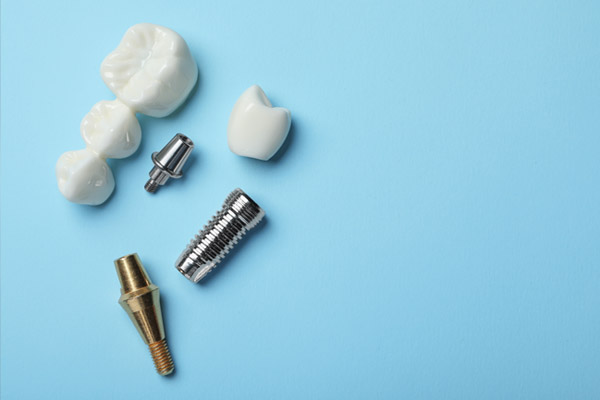
Partial dentures are used to replace missing teeth. They use replacement teeth that are attached to a gum-colored acrylic base or held in place by dental implants. Wearing new partial dentures means getting used to a little bit of oral discomfort as one’s mouth adjusts to the dentures. Fortunately, the discomfort does not last for a long time.
How to get used to your partial dentures
Before discussing how to get used to living with partial dentures, it is important to understand the type of discomfort the patient will feel when they start using them for the first time.
What to expect when you start using partial dentures
The simple act of inserting and removing the dentures will take some practice before it can be done with ease. The metal clasps holding the dentures in place can be difficult to reach, especially if they are in the back of the mouth.
Chewing food will also be difficult at first. The artificial teeth are not connected to the nerves that the natural teeth were connected to. That makes it difficult to know how much pressure to use when attempting to chew food.
The partial dentures will also feel uncomfortable and bulky in the mouth. But, that can be fixed by asking the dentist to make adjustments to improve the fit.
Getting comfortable with the dentures
The dentures will feel uncomfortable for the first few weeks. But, the patient will start getting used to them when the cheek muscles and tongue adjust and learn to keep them in place. There will also be some irritation and excess saliva flow at the beginning, but they will diminish gradually as the patient’s mouth adjusts to the dentures.
As previously mentioned, chewing food will be difficult for the first few weeks as the patient gets used to the dentures. Dentists recommend starting out with soft foods that are cut into small pieces. Then gradually moving on to other types of foods when they get more comfortable chewing with the partial dentures.
Chewing food is also easier when the patient uses both sides of the mouth to chew the food evenly. Even after they get used to chewing with partial dentures, dentists advise against eating hard foods and candy as well as staying away from sticky foods to avoid damaging their dentures.
Speaking with the partial dentures will also take some getting used to. But, most people learn to speak properly with the dentures in their mouths by reading out loud and repeating the words that are giving them problems until they can pronounce them properly.
To avoid damaging the dentures and to give the patient some time to rest their jaws, dentists recommend taking them out before going to sleep and putting them back in their mouth in the morning.
Conclusion
Partial dentures take a little while to get used to. But when you do, you can return to eating your regular diet and speaking without impediment. If you have a few missing teeth and want to replace them, then talk to your dentist about getting partial dentures.
Request an appointment here: http://www.riversdentistry.com or call Rivers Family Dentistry at (979) 710-2216 for an appointment in our Bryan office.
Check out what others are saying about our services on Yelp: Read our Yelp reviews.
Related Posts
According to the American Dental Association, dental implants are stable because the jawbone grows around them. This process is known as osseointegration, and it is essential for the success of an implant. Several elements can affect this process, and patients undergoing the dental implant procedure should understand what affects an implant fusing to the bone.…
Losing a tooth can be uncomfortable in many ways, and dental implants might be the solution you are looking for. When you are missing a tooth, you may not like the look of your mouth, and you may have difficulty chewing. Dentures and bridges are options for you, but if you want a permanent answer,…
There are multiple options for patients who want to replace missing teeth. Dental implants are a popular choice because of their benefits; however, some patients may prefer another option.There are several tooth replacement options available to most patients. Implant surgery involves placing titanium posts in the jaw of the patient to replace missing teeth roots.…
Finding a trusted dentist near me is a significant step toward maintaining oral health, and identifying the right office involves looking for consistency, transparency, and a patient-centered approach. A dental office should feel organized, transparent, and focused on maintaining healthy teeth as much as repairing damage. The goal is to identify a practice that provides…